Hepatitis B: Global Awareness, Symptoms, Causes, Treatments, and Prevention in 2025
Comprehensive Guide to Hepatitis B Awareness

Introduction
Hepatitis B is a viral infection that attacks the liver. It affects millions worldwide and remains a major public health concern. Many people live with Hepatitis B without knowing it. The disease can cause serious liver damage and increase the risk of liver cancer. Over the years, health organizations, governments, and researchers have focused on prevention, testing, and treatment. In 2025, global awareness continues to rise as communities, social media, and healthcare platforms share critical information. This article explores symptoms, causes, treatments, prevention strategies, and recent developments. It provides clear guidance for readers worldwide to understand and act against Hepatitis B.
What is Hepatitis B?
Hepatitis B is caused by the Hepatitis B virus (HBV). The virus attacks liver cells, causing inflammation and sometimes long-term damage. Infection can be acute or chronic. Acute Hepatitis B lasts a few weeks and may cause fatigue, nausea, or jaundice. Chronic infection can persist for years, often without noticeable symptoms, but it may lead to cirrhosis or liver cancer. HBV spreads through contact with infected blood or bodily fluids. It does not spread through casual contact like hugging or sharing utensils.
Symptoms of Hepatitis B
Also Read: Nutrition Fundamentals: What Everyone Should Know to Stay Healthy
Symptoms vary depending on the infection stage. Acute cases may include fatigue, loss of appetite, abdominal pain, vomiting, dark urine, and yellowing of the skin or eyes. Chronic cases often show no symptoms until liver damage becomes severe. Some people feel healthy but carry the virus, risking transmission to others. Early detection is vital. Regular screenings can identify infection before complications occur.
Causes and Risk Factors
Hepatitis B spreads through blood, sexual contact, and mother-to-child transmission during birth. Sharing needles or unsterilized medical equipment increases risk. People in high-prevalence regions, healthcare workers, intravenous drug users, and those with multiple sexual partners face higher exposure. Family members living with infected individuals may also be at risk. Vaccination reduces risk and protects communities globally.
Treatment Options
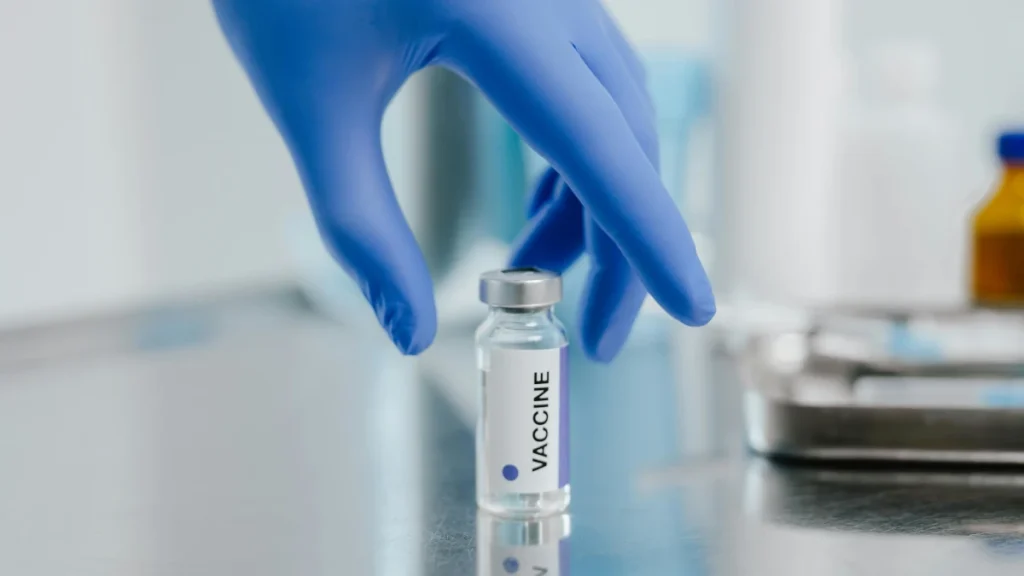
Hepatitis B has no complete cure, but antiviral medications help control the virus. Drugs like tenofovir and entecavir reduce viral load and prevent liver damage. Doctors may monitor liver function and recommend lifestyle changes, including avoiding alcohol. Severe liver disease may require transplantation. Patients must follow medical advice and attend regular check-ups. Early treatment improves outcomes and reduces complications.
Also Read: Top Health Tips for Boosting Energy and Immunity
Prevention Strategies
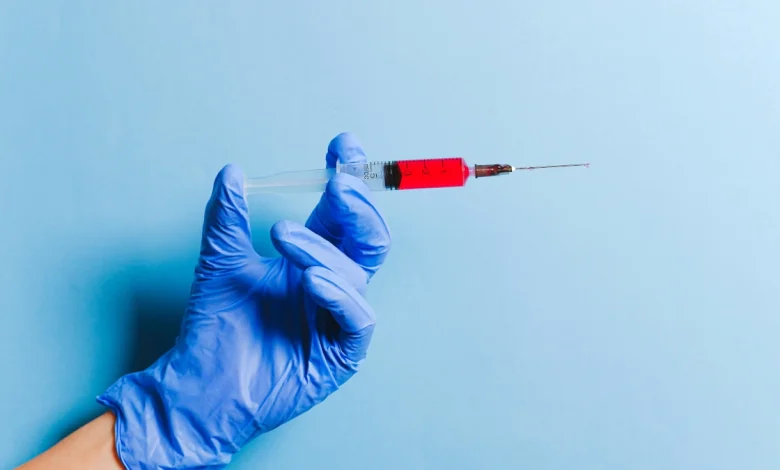
Prevention remains the most effective tool against Hepatitis B. Vaccines are safe, highly effective, and usually administered in three doses. Safe sexual practices, avoiding needle sharing, and screening blood products minimize risk. Pregnant women should get tested to prevent mother-to-child transmission. Global health campaigns encourage vaccination and educate populations about early testing and safe practices. Awareness programs have successfully reduced new infections in many countries.
Global Awareness and Impact
Hepatitis B affects populations worldwide. Africa, Asia, and the Pacific regions report higher prevalence, while awareness campaigns in the United States, Europe, and Latin America help reduce infection rates. Online platforms amplify messages about vaccination, testing, and healthy habits. Social media trends and news coverage contribute to public understanding. Governments and NGOs collaborate to improve access to vaccines, treatment, and reliable information.
Recent Developments and Research

Researchers are developing new therapies to manage Hepatitis B. Clinical trials explore therapeutic vaccines and immune system boosters. Advanced diagnostic tools allow earlier detection, reducing the risk of severe liver damage. Scientists study virus behavior, treatment resistance, and long-term outcomes to improve global strategies. Medical journals and online platforms share updates, reaching doctors, patients, and public health organizations globally. These innovations inspire hope and action for reducing the global Hepatitis B burden.
Final Thoughts
Also Read: West Nile Virus: Global Health Risks, Symptoms, and Prevention
Hepatitis B remains a serious health challenge, but awareness, prevention, and treatment can change outcomes worldwide. Understanding symptoms, causes, and treatment options is critical. Vaccination is the most effective preventive measure. Regular screenings help detect infection early, reducing the risk of severe liver complications. Global campaigns, research, and education improve knowledge and access to care. Every individual can play a role in preventing Hepatitis B. Staying informed and following health guidelines ensures better health for communities around the world.
Frequently Asked Questions
It spreads through blood, sexual contact, and mother-to-child transmission during birth.
Symptoms include fatigue, abdominal pain, nausea, vomiting, dark urine, and jaundice. Chronic infections may show no symptoms for years.
No complete cure exists for chronic Hepatitis B, but antiviral medications help control the virus and prevent liver damage.
Everyone, especially infants, high-risk adults, healthcare workers, and travelers to high-prevalence areas, should receive the HBV vaccine.
Yes. WHO and NGOs promote vaccination, testing, and safe practices to reduce infections worldwide.