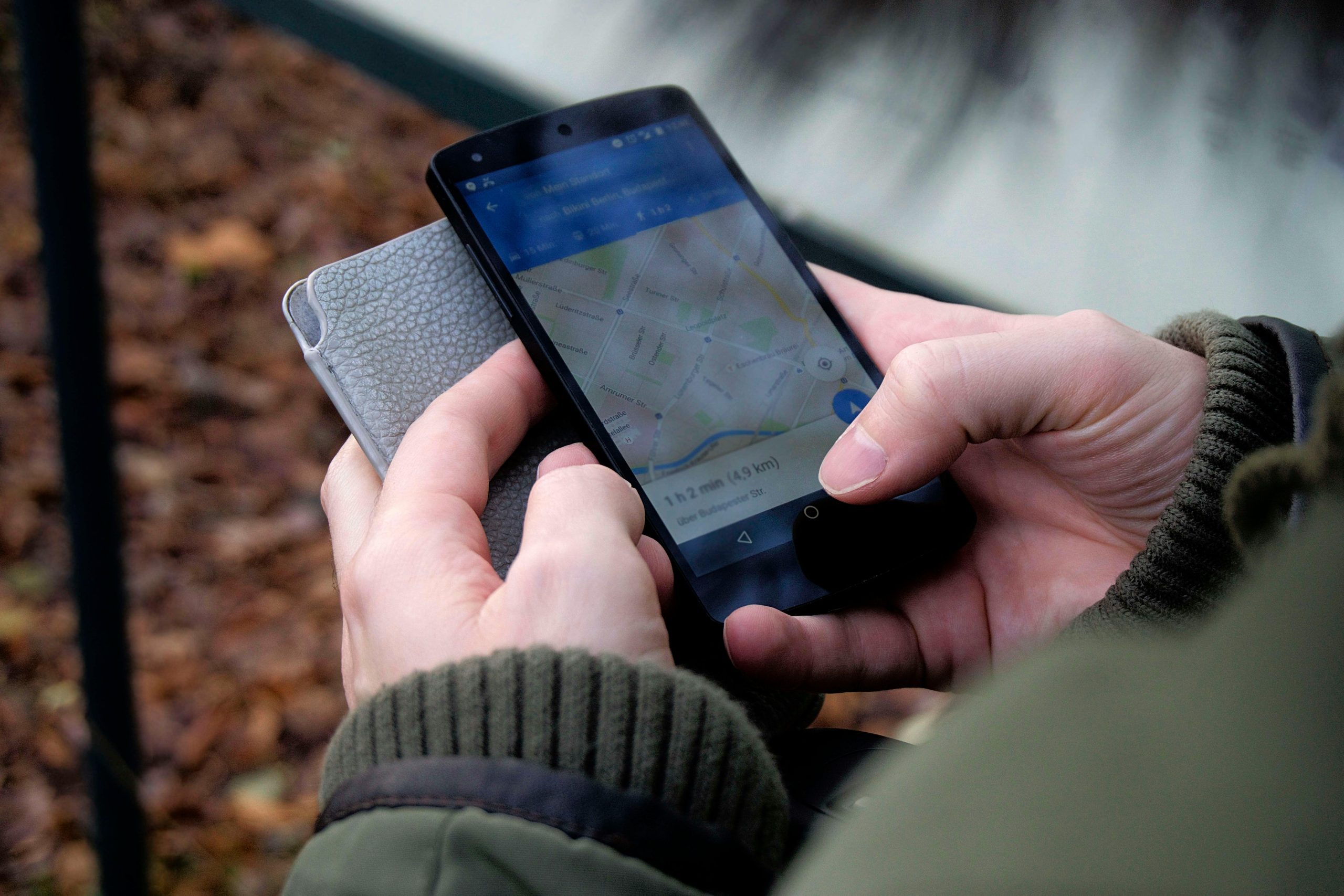
Smartphones in 2026 are no longer just communication tools. They are personal assistants, digital wallets, health trackers, and work devices combined into one. If you own a smartphone in 2026, major changes are already affecting how you use it, how your data is handled, and how safe your digital life remains.
Many users still treat their phones the same way they did years ago. That mindset can cost you privacy, money, and productivity. This guide explains the most important smartphone changes in 2026 using clear and simple English. Every section focuses on practical knowledge you can apply immediately.
1. Artificial Intelligence Is Now Built Into Everything
Smartphones in 2026 rely heavily on artificial intelligence. AI now controls camera performance, battery management, voice assistants, typing predictions, and even app behavior.
Your phone learns your habits every day. It knows when you wake up, which apps you open first, and how long you stay online. This makes your device faster and smarter, but it also raises privacy concerns.
To stay safe, you should review AI-related settings regularly. Disable features you do not use. Limit background learning where possible. Smart features should work for you, not against you.
2. App Permissions Have Become Stricter
In 2026, operating systems enforce tighter app permission rules. Apps must now justify why they need access to your camera, microphone, location, or contacts.
Also Read: These New Gadgets Are Quietly Changing Everyday Life in 2026
Many apps lose functionality if you deny unnecessary permissions. This is a good thing. It reduces data abuse and background tracking.
You should check app permissions at least once a month. Remove access from apps that do not need sensitive data. This simple habit improves security and device performance.
3. Biometric Security Is the New Standard
Passwords alone are no longer enough. Smartphones in 2026 rely on biometric security such as fingerprint scanning, facial recognition, and behavioral patterns.
Your phone can now detect unusual behavior. It may lock itself if it senses unauthorized use. This protects your data if your device gets lost or stolen.
Always enable biometric protection. Combine it with a strong backup passcode. Avoid using simple patterns or short PINs.
Also Read: SpaceX Launch Explained: Why This United States Mission Matters to the World
4. Software Updates Are No Longer Optional
In the past, users delayed updates. In 2026, skipping updates creates serious security risks. Cyber threats evolve quickly, and outdated software exposes your personal information.
Many updates now install automatically. They include security patches, performance improvements, and bug fixes.
Make sure your phone updates regularly. Keep enough storage space free. Use Wi-Fi to avoid extra data charges.
5. Battery Technology Has Changed Usage Habits
Smartphone batteries in 2026 last longer, but they require smarter charging habits. Fast charging and wireless charging are common, yet they affect battery health.
Charging to 100 percent every time is no longer recommended. Most devices perform best between 20 and 80 percent.
Use optimized charging features. Avoid cheap charging accessories. Heat remains the biggest enemy of battery lifespan.
6. Digital Payments Dominate Daily Life
Cash usage continues to decline. Smartphones in 2026 serve as primary payment tools for shopping, transport, and subscriptions.
Digital wallets store cards, IDs, tickets, and loyalty programs. This convenience increases risk if your phone lacks proper security.
Also Read: Best Apps to Make Money Online in USA
Enable payment authentication. Use transaction alerts. Lock your device remotely if it goes missing.
7. Privacy Laws Affect How Phones Operate
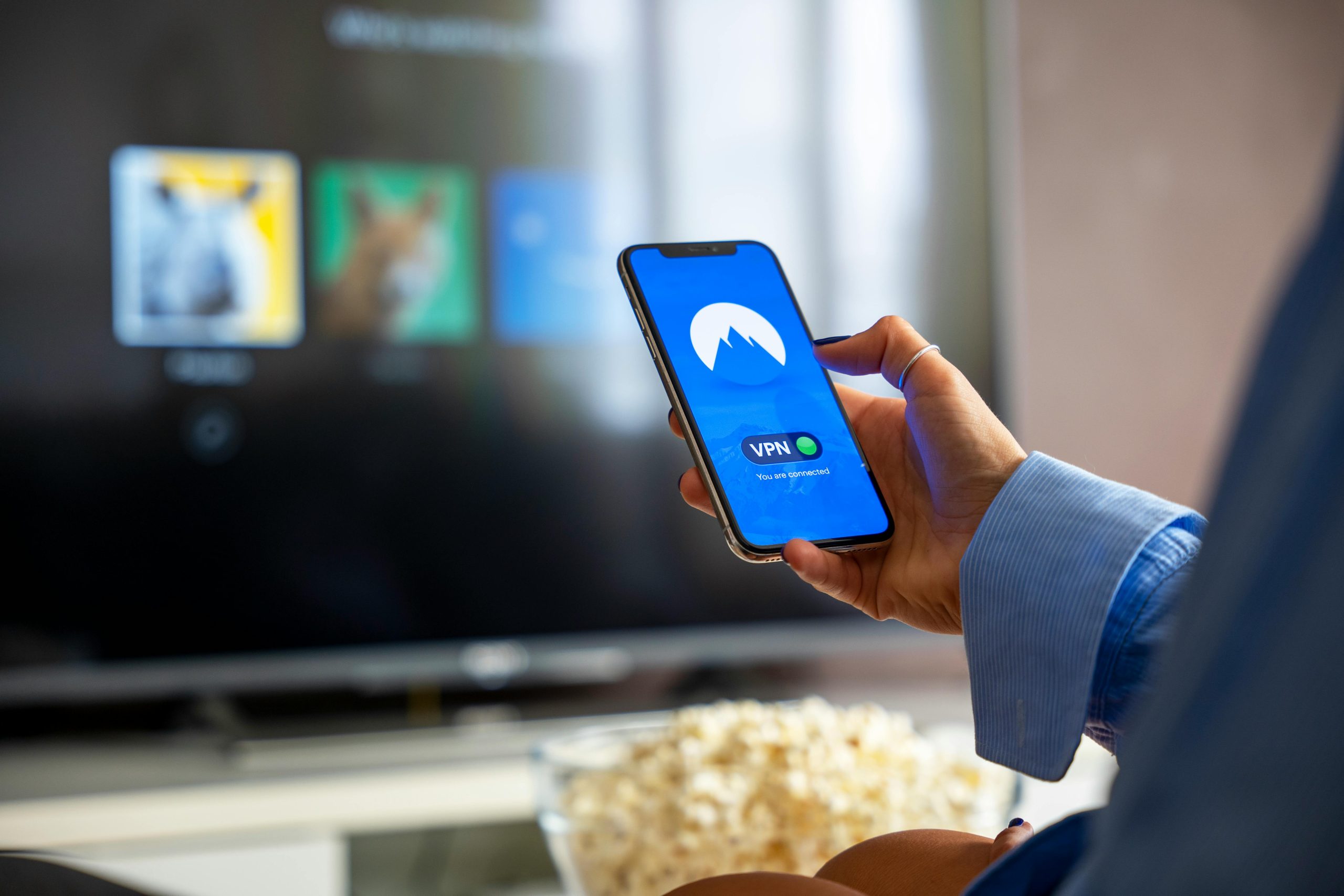
Global privacy regulations influence smartphone features in 2026. Phones now provide clearer data control options.
You can see which apps track you. You can limit personalized ads. You can request data deletion more easily.
Take advantage of these tools. Review privacy dashboards. Choose transparency over convenience.
8. Cloud Dependency Is Increasing
Smartphones rely more on cloud services than ever. Photos, contacts, notes, and backups sync automatically.
Also Read: AI vs. Humans in 2026: What Jobs Will Survive the Next Tech Wave?
Cloud storage keeps your data safe if your phone breaks. However, weak account security can expose everything.
Use strong passwords. Enable two-step verification. Avoid using public Wi-Fi for sensitive logins.
9. Phones Replace Many Traditional Devices
In 2026, smartphones replace cameras, GPS units, recorders, scanners, and even laptops for basic tasks.
This increases productivity but also increases reliance. A single device failure can disrupt your routine.
Create backups. Learn basic troubleshooting. Keep essential data accessible offline.
10. Screen Time Awareness Is Stronger
Smartphones now monitor usage patterns closely. They warn you when screen time becomes excessive.
Also Read: The Internet Will Never Be the Same After This Tech Breakthrough
These tools help protect mental health and focus. Ignoring them leads to burnout and reduced productivity.
Set daily limits. Schedule offline hours. Use technology intentionally.
Final Thoughts
Owning a smartphone in 2026 means accepting responsibility. These devices hold your identity, finances, and personal life. Technology continues to evolve, but informed users stay ahead.
Review your settings. Update your software. Protect your data. When you understand these major changes, your smartphone becomes a powerful tool instead of a hidden risk.
Frequently Asked Questions (FAQs)
Yes, they are safer when used correctly. Built-in security tools are stronger, but user habits still matter.
Not always. Many older phones support updates. However, very old devices may lack security features.
Also Read: Why Everyone in the U.S. Is Talking About the Samsung Galaxy S26 Ultra
AI improves performance, but it can collect data. Managing settings reduces risk significantly.
Yes. Tracking affects privacy and battery life. Limit it where possible.
They are safe when protected with biometrics and alerts. Never leave payments unsecured.


Pingback: Samsung One UI 8.5 Update: Release Date, New Features, and Eligible Devices