
Artificial Intelligence no longer feels futuristic. In 2026, it works quietly in the background of everyday life. Many people use AI daily without even realizing it. It suggests what to watch, helps write emails, manages schedules, and even supports health decisions.
Unlike past technologies that demanded attention, AI blends into routine tasks. It saves time, reduces effort, and increases efficiency. This silent shift changes how people live, work, and think.
This article explores how Artificial Intelligence is taking over daily tasks in subtle but powerful ways. It also explains what this change means for individuals, businesses, and society.
AI in Personal Productivity
AI has transformed how people manage time and responsibilities. Smart assistants now organize calendars, set reminders, and prioritize tasks automatically.
Instead of manual planning, AI studies behavior patterns. It learns when users are most productive. Then it suggests better schedules.
Also Read: This New Technology Will Replace 50% of Online Jobs by 2026
Email management also relies heavily on AI. Messages get sorted, flagged, and summarized. Spam rarely reaches the inbox. Important emails stand out immediately.
Writing tools powered by AI help draft documents faster. They correct grammar, improve clarity, and suggest better wording. Many professionals finish work in half the time they needed before.
AI in Communication and Social Interaction
Daily communication feels smoother because of AI. Messaging apps use smart replies that match tone and context.
Voice-to-text technology has improved significantly. People dictate messages naturally, and AI converts speech accurately. Accents and background noise no longer cause major issues.
Also Read: If You Own A Smartphone In 2026 – Major Changes You Must Know
AI also translates languages in real time. This feature helps people communicate across cultures without barriers. International conversations now feel effortless.
Social media platforms rely on AI to personalize feeds. Content appears based on interests, habits, and interactions. Users spend less time searching and more time engaging.
AI in Shopping and Personal Finance
Shopping experiences have become highly personalized. AI analyzes browsing behavior and past purchases. It then recommends products that match preferences.
Online stores adjust prices, discounts, and offers dynamically. This creates a more relevant shopping journey for each user.
Also Read: Big Tech Doesn’t Want You to Know About This 2026 Innovation
In personal finance, AI helps track spending patterns. Budgeting apps provide smart insights instead of basic summaries. They warn users before overspending happens.
AI-driven fraud detection protects bank accounts. Suspicious transactions get flagged instantly. This reduces financial risk and increases trust in digital payments.
AI in Health and Wellness
Health technology has quietly embraced AI. Wearable devices track heart rate, sleep quality, and activity levels. AI interprets this data and provides actionable advice.
Instead of raw numbers, users receive clear suggestions. For example, AI may recommend earlier sleep times or lighter workouts.
Mental health apps use AI chat systems to offer emotional support. These tools do not replace professionals, but they provide immediate assistance when needed.
AI also helps doctors. It analyzes medical images, patient history, and test results faster than traditional methods. This improves diagnosis accuracy and saves lives.
AI in Home Automation
Smart homes feel more intuitive in 2026. AI learns daily routines and adjusts settings automatically.
Lights dim at the right time. Temperature changes based on weather and activity. Security systems recognize familiar faces and detect unusual behavior.
Also Read: Galaxy S26 Ultra Release Date: Why It’s Trending and What to Expect in 2026
Voice commands feel more natural. AI understands context instead of fixed phrases. Users speak casually, and systems respond correctly.
Energy efficiency has improved as well. AI reduces waste by optimizing power usage. Homes become more sustainable without extra effort.
AI in Transportation and Travel
Navigation apps now predict traffic with impressive accuracy. AI studies real-time data, accidents, and weather conditions. It suggests the fastest routes before congestion builds.
Ride-sharing platforms use AI to match drivers and passengers efficiently. Waiting times continue to decrease.
Travel planning also benefits from AI. It builds itineraries based on interests, budget, and time. Hotel suggestions and flight options feel tailored rather than generic.
Self-driving features assist drivers quietly. While full autonomy remains limited, AI handles parking, lane control, and emergency braking reliably.
AI in Workplaces and Business Operations
Many workplace tasks no longer require constant human input. AI automates data entry, reporting, and analysis. Employees focus on decision-making instead of repetitive work.
Customer support relies heavily on AI chat systems. These tools answer common questions instantly. They also escalate complex issues to human agents smoothly.
Also Read: This New AI Tool Is Replacing Jobs Faster Than Anyone Expected in 2026
Marketing teams use AI to analyze audience behavior. Campaigns adjust automatically based on performance. This increases engagement and reduces wasted spending.
Hiring processes also involve AI. Resume screening becomes faster and more objective. Companies identify suitable candidates efficiently.
Ethical Concerns and Human Awareness
Despite its benefits, AI raises concerns. Data privacy remains a major issue. AI systems rely on large amounts of personal information.
Transparency also matters. Many users do not understand how decisions get made. This creates trust challenges.
Job displacement worries continue to grow. While AI creates new roles, it also replaces certain tasks. Societies must adapt through reskilling and education.
Awareness becomes essential. People need to understand how AI affects their lives. Informed users can make better choices and demand responsible use.
The Quiet Nature of AI’s Influence
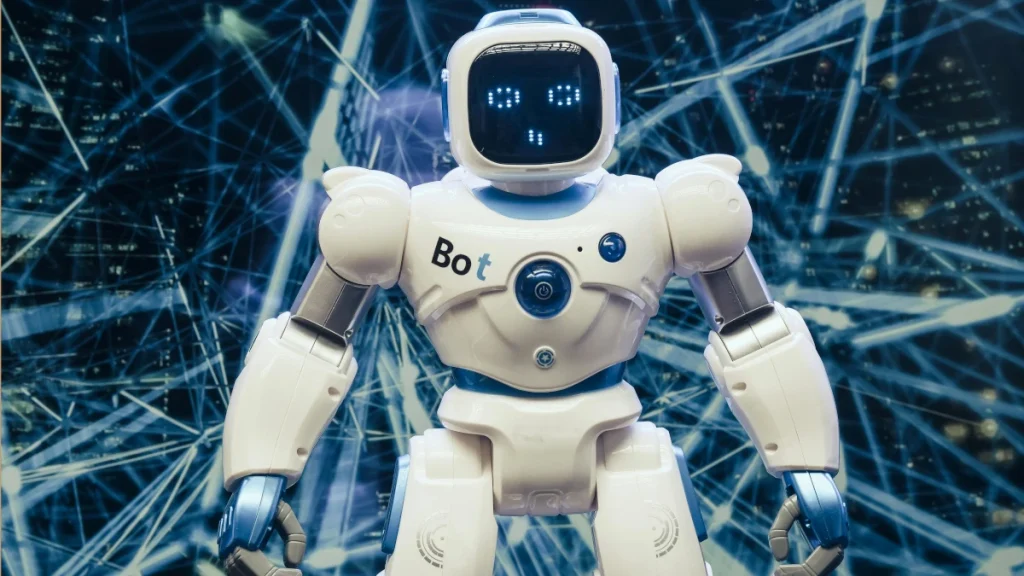
What makes AI unique is its subtlety. It does not demand attention like earlier technologies. It simply works.
Also Read: 7 Smart Devices Everyone Will Be Using Daily by the End of 2026
This quiet presence increases dependency. People rely on AI suggestions without questioning them. While convenience improves, critical thinking becomes more important than ever.
Understanding this balance defines how successfully society integrates AI in the future.
Final Thoughts
In 2026, Artificial Intelligence shapes daily life silently but profoundly. It improves productivity, communication, health, and comfort. Most people benefit without noticing the systems behind the scenes.
However, this convenience comes with responsibility. Awareness, ethics, and digital literacy must grow alongside technology.
AI does not replace human intelligence. It enhances it when used wisely. The future depends not on how powerful AI becomes, but on how consciously people use it.
Frequently Asked Questions (FAQs)
AI itself is not dangerous. Risks arise from misuse, lack of regulation, and poor data handling. Responsible development reduces harm.
Yes. Many apps, devices, and services rely on AI in the background. Users often interact with AI indirectly.
AI replaces certain tasks, not entire professions. It also creates new job opportunities that require different skills.
Users should review app permissions, use strong security settings, and stay informed about data policies.
For many people, yes. AI saves time, reduces stress, and increases efficiency when used responsibly.



So something
ok